

Kimberley Tours and Kimberley Cruises on Sale for 2026 & 2027
Camping in the Kimberley: A Guide to Exploring Australia’s Wild Frontier
25 November 2024
The Kimberley region in Western Australia is one of the most remote, rugged, and stunning landscapes in the world. Camping here isn’t just a way to see the Kimberley—it’s the best way to experience it. Being immersed in the natural environment, surrounded by ancient landscapes, and sleeping under vast, starlit skies camping in the Kimberley creates an unmatched sense of connection to this untamed land. Whether you’re navigating the iconic Gibb River Road or exploring hidden gorges, a Kimberley camping trip is an unforgettable adventure. This guide covers the best camping spots, must-see highlights, essential safety tips, and what you’ll need for the journey.
Why Camping in the Kimberley is the Best Way to Experience It
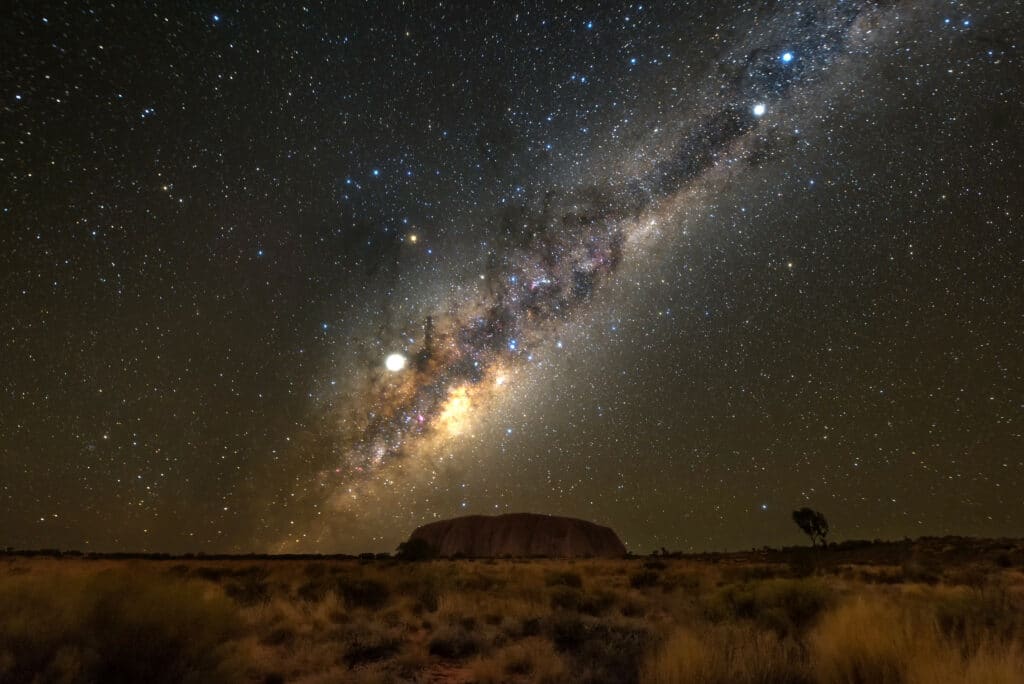
There’s something magical about camping in the Kimberley. Unlike staying in hotels or resorts, camping allows you to be part of the landscape. Imagine waking up to the sounds of native birds, sipping coffee as the sunrise casts golden hues over rugged cliffs, and falling asleep to the distant howl of dingoes under a glittering Milky Way. Camping also gives you access to remote locations that larger vehicles and crowds can’t reach, ensuring a more personal and immersive adventure.
In the Kimberley, camping is more than accommodation—it’s a way of life. From campfire meals to sharing stories under the stars, the experience creates memories that last a lifetime.
Best Camping Spots in the Kimberley
The Kimberley is dotted with incredible campsites, from basic bush camping to more comfortable options with facilities. Here are some top spots to consider:
1. El Questro Wilderness Park

Located off the Gibb River Road, El Questro is a haven for adventurers. This private park offers a mix of riverside camping and glamping. Highlights include swimming in Zebedee Springs, hiking to Emma Gorge, and boating through Chamberlain Gorge.
2. Windjana Gorge National Park
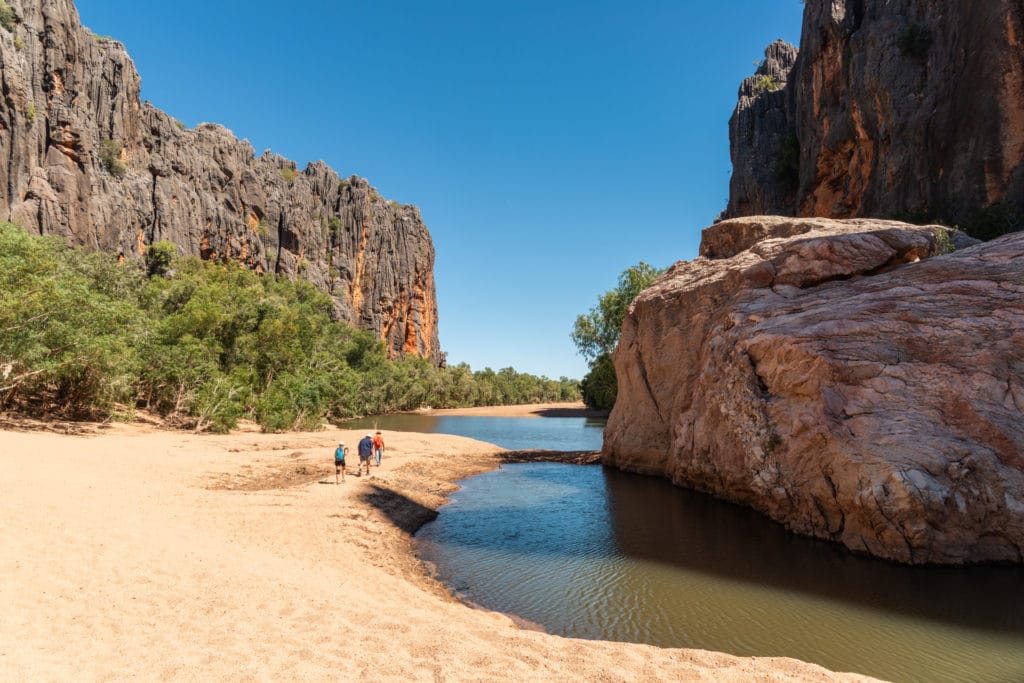
This spectacular campsite is near the Lennard River, surrounded by towering gorge walls. It’s a great base for exploring Windjana Gorge and Tunnel Creek. The site is basic but offers picnic tables and toilets.
3. Bell Gorge (Silent Grove Campground)
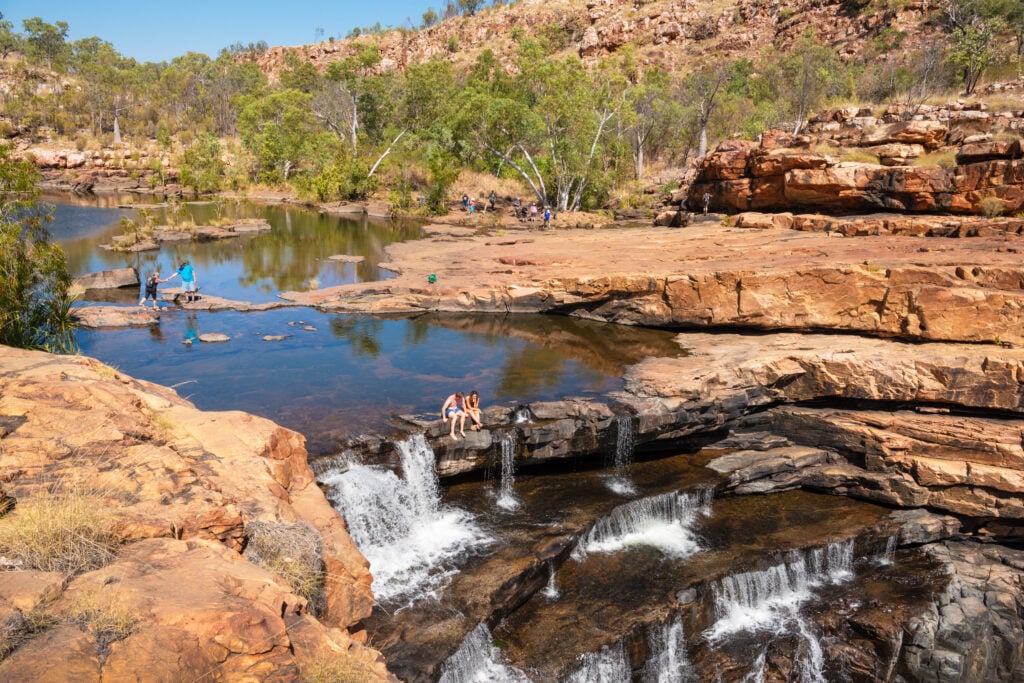
Part of the King Leopold Ranges Conservation Park, Bell Gorge is one of the Kimberley’s most beautiful waterfalls. Silent Grove is a well-maintained campground nearby with toilets and picnic areas.
4. Mitchell Falls Campground

Deep in the northern Kimberley, this remote campsite is near the breathtaking Mitchell Falls. The challenging journey to get here is rewarded with stunning views and an unforgettable camping experience.
5. Manning Gorge
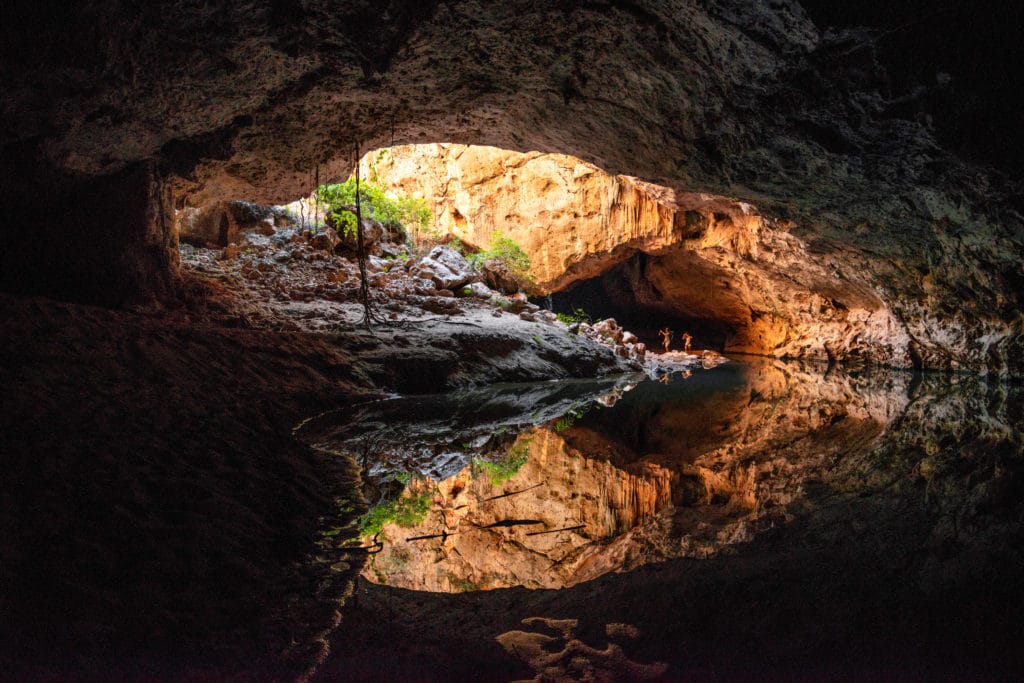
Located along the Gibb River Road, this campsite offers access to Manning Gorge’s spectacular swimming holes and waterfalls. Facilities include showers, toilets, and a nearby store.
Highlights of the Kimberley

Camping in the Kimberley isn’t just about where you sleep; it’s about the adventures that fill your days. Here are some must-see highlights:
- Gibb River Road: This 660-kilometer track is an adventure in itself, offering access to gorges, waterfalls, and remote stations.
- Horizontal Falls: A natural phenomenon where powerful tides create rushing waterfalls between narrow gorges.
- Bungle Bungle Range: Found in Purnululu National Park, these beehive-shaped domes are a UNESCO World Heritage Site.
- Cape Leveque: A pristine area of red cliffs, white beaches, and turquoise waters on the Dampier Peninsula.
- Aboriginal Rock Art: Explore ancient rock art galleries in areas like Mitchell Plateau and Kalumburu.
- Broome: Famous for Cable Beach and its pearling history, Broome is a great starting or ending point for your Kimberley adventure.
Safety Tips for Kimberley Camping
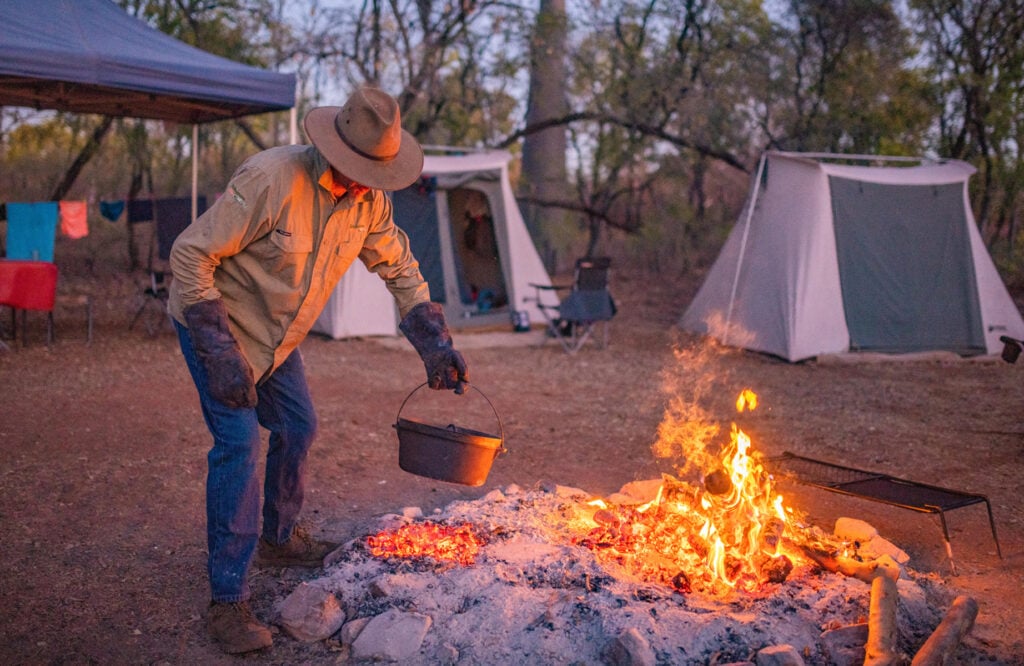
The Kimberley is a remote wilderness, so preparation and caution are crucial. Follow these safety tips to ensure a smooth trip:
- Plan Your Route: Many roads, like the Gibb River Road, require a 4WD vehicle. Check road conditions and have a clear itinerary.
- Carry Supplies: Bring plenty of water (at least 10 liters per person per day), food, and extra fuel. Remote areas have limited or no services.
- Stay Informed: Research weather conditions, as roads can flood during the wet season (November to April).
- Wildlife Awareness: Be cautious of snakes, spiders, and crocodiles. Avoid swimming in rivers or estuaries unless they are marked safe.
- Communication: Carry a satellite phone or UHF radio in case of emergencies, as mobile reception is minimal.
- First Aid Kit: Have a fully stocked first aid kit and know how to use it.
What You’ll Need for a Kimberley Camping Trip

Packing the right gear can make or break your Kimberley adventure. Here’s a checklist to help you prepare:
- Camping Gear: A sturdy tent or swag, sleeping bags, and mats suited for hot days and cool nights.
- Cooking Supplies: Portable stove, fuel, pots, pans, and utensils. A cooler or fridge is essential for storing perishable food.
- Navigation Tools: Maps, GPS, and a compass to help you stay on track.
- Clothing: Lightweight, breathable clothing, sturdy hiking boots, and a wide-brimmed hat. Pack warm layers for cooler nights.
- Water and Food: Ample water and non-perishable food for the duration of your trip, plus extra in case of delays.
- Lighting: Headlamps, lanterns, and spare batteries.
- Vehicle Essentials: A 4WD vehicle with spare tires, a jack, and recovery gear. Ensure it’s been recently serviced.
- Miscellaneous: Sunscreen, insect repellent, and biodegradable toiletries.
- Park Access: If you’re exploring many of the Kimberley’s amazing national parks, consider purchasing a Parks Pass to make access more economical and convenient.
Why Choose the Kimberley for Camping?
Camping in the Kimberley offers an authentic way to connect with one of Australia’s last true frontiers. It’s not just about visiting; it’s about experiencing the vastness, the tranquility, and the raw beauty of this incredible region. From campfire evenings to mornings surrounded by untouched wilderness, camping immerses you in the heart of the Kimberley like nothing else can.
So, pack your gear, plan your route, and get ready for the adventure of a lifetime. The Kimberley’s rugged beauty is waiting for you to explore it—one campsite at a time. Want us to do the hard work for you so you can simply enjoy the beauty? Take a look at our Camping in the Kimberley tours and let us handle the details while you focus on the adventure. Camping in the Kimberley on a guided tour is a great option for singles to enjoy the company of others, seniors to have some built-in safety with trained guides, or anyone who likes to make friends along the way.