

Kimberley Tours and Kimberley Cruises on Sale for 2026 & 2027
Your Ultimate tour northern territory Guide
23 October 2025So, you’re planning a trip to the Northern Territory. Get ready for a proper adventure into Australia’s wild heart. This is a journey through vast, red landscapes, ancient Aboriginal culture, and some of the most dramatic scenery you’ll ever see. It’s about swapping the city buzz for the profound silence of the desert and a blanket of stars at night.
Your Essential Northern Territory Tour Starts Here
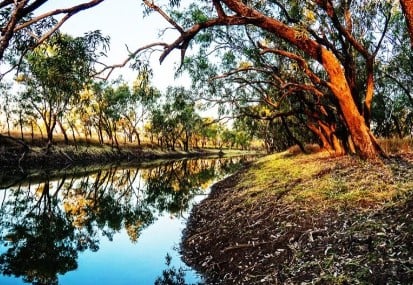
Welcome to your complete guide for an unforgettable trip through Australia’s most iconic region. The Northern Territory isn’t just a destination; it’s an experience that connects you to a land that’s billions of years old. From the spiritual power of Uluru to the wild, croc-filled wetlands of Kakadu, every place has a story.
Think of this guide as your starting point, a clear roadmap for what’s ahead. We’ll cover the must-see spots, help you figure out the best time to visit, and walk you through the different ways you can explore this incredible part of the world. It’s the foundation you need to build your perfect Outback journey.
Two Regions, One Unforgettable Adventure
The Northern Territory is a land of incredible contrasts, split into two very different regions. Getting your head around them is the first step to planning your ideal tour.
- The Red Centre: This is the Australia of postcards. It’s home to the world-famous Uluru, the stunning domes of Kata Tjuta, and the spectacular Kings Canyon. The Red Centre is all about its dry climate, deep red earth, and a rich, living Indigenous culture that you can feel all around you.
- The Top End: Up north, it’s a whole different world. The tropical Top End is lush and alive with floodplains, thundering waterfalls, and amazing biodiversity. Here you’ll find Darwin, the gateway to UNESCO World Heritage-listed Kakadu National Park, the crystal-clear swimming holes of Litchfield, and the mighty Nitmiluk (Katherine) Gorge.
Each region offers a completely different flavour of adventure. A trip through the Red Centre is about watching the sunrise paint Uluru and hiking through ancient landscapes. In the Top End, you could be cruising past saltwater crocodiles one day and swimming in a pristine waterhole the next.
The big question is: Red Centre or Top End? Or maybe both for the ultimate NT tour? It all comes down to what you’re looking for. Are you after a spiritual connection and classic desert scenery, or are tropical wilderness and wildlife encounters more your style?
Planning Your Perfect Journey With Us
Trying to figure out the huge distances and unique challenges of the Outback can feel a bit overwhelming. That’s where a well-planned tour makes all the difference. Our itineraries are put together by people who know this place inside and out, handling everything from transport over rugged tracks to comfy camping under the stars.
Whether you’re dreaming of our classic Uluru to Darwin tour or want to dive deep into just one region, this guide will give you the knowledge you need. We’ll help you get a handle on the essentials so you can confidently book the adventure that’s right for you. Your journey into the heart of Australia starts now.
When Is the Best Time to Tour the Northern Territory?
Picking the right time for your Northern Territory tour is probably the single most important decision you’ll make. Forget the familiar four seasons of spring, summer, autumn, and winter. The NT operates on a completely different, far more dramatic cycle, ruled by two forces: water and heat.
Getting the timing right can be the difference between a blissful hike under clear blue skies and finding your path blocked by a landscape transformed by tropical downpours. Everything, from which roads are even open to the wildlife you’ll spot, hinges on the time of year.
You’re not alone in wanting to experience this unique part of the world. The Northern Territory is more popular than ever, with recent figures showing over 1.4 million visitors in a single year—that’s a 9% increase on the year before. With so many people discovering its magic, planning your trip for the right season is crucial. You can see more on the NT’s growing popularity in this detailed tourism report.
Let’s break down the two main seasons—the famous “Dry” and the dramatic “Wet”—to help you find the perfect window for your dream Outback adventure.
To give you a quick overview, here’s how the two main seasons stack up against each other.
Northern Territory Seasons At a Glance
| Feature | Dry Season (May – October) | Wet Season (November – April) |
|---|---|---|
| Weather | Warm, sunny days and cool nights. Low humidity. | Hot, humid days with powerful afternoon storms. |
| Accessibility | Most roads and attractions are open. | Potential for road closures due to flooding. |
| Waterfalls | Flowing early in the season, becoming a trickle later. | Spectacular! Thundering waterfalls at full power. |
| Landscape | Golden, dusty, classic Outback scenery. | Lush, vibrant green and bursting with life. |
| Crowds | Peak tourist season, so it’s much busier. | Far fewer people, offering a quieter experience. |
| Best For | Hiking, camping, and accessing all major sites. | Scenic flights, birdwatching, and storm photography. |
While the table gives a good summary, the feel of each season is what truly sets them apart.
The Dry Season: A Time of Blue Skies and Open Roads
Running from May to October, the Dry Season is hands down the most popular time to visit the NT, and for very good reason. This is the Outback at its most inviting and accessible. Think endless blue skies, warm sunny days perfect for exploring, and cool, crisp nights that are just made for sitting around a campfire.
During these months, the humidity drops right off, and rain is a rarity. This creates the perfect conditions for getting out and about. All the big-ticket attractions like Uluru, Kings Canyon, and Kakadu’s incredible rock art sites are easy to get to. It’s the ideal time for classic adventures like the Kings Canyon Rim Walk or hiking through the stunning domes of Kata Tjuta.
The Dry Season offers predictability. Roads are open, tour schedules are running at full steam, and you can almost guarantee brilliant blue skies for those iconic photos of Uluru at sunrise.
Because it’s the peak time to travel, you’ll be sharing the experience with more people, which creates a vibrant buzz at popular spots. If you’re after that classic Northern Territory tour where you can see and do it all without worrying about the weather, this is your season.
The Wet Season: A World of Water and Life
From November to April, the Top End completely transforms. This is the Wet Season, a powerful period defined by high humidity, monsoonal downpours, and spectacular afternoon thunderstorms that light up the sky. It’s a time of incredible energy and rebirth.
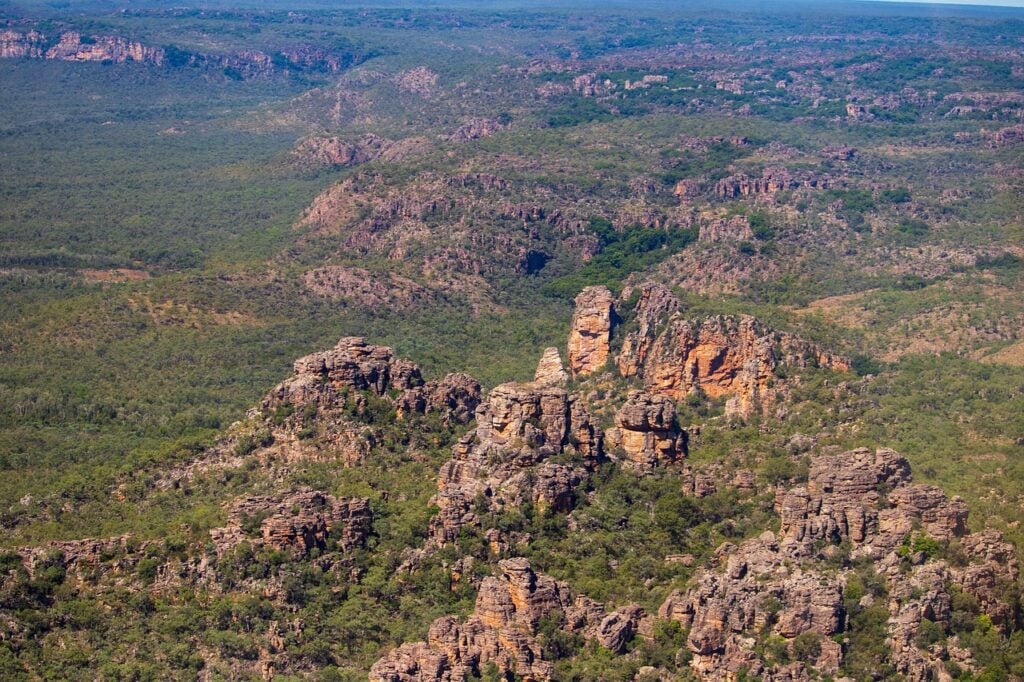
The landscape explodes into a brilliant, almost fluorescent green. Waterfalls like Jim Jim and Twin Falls in Kakadu, which might just be a trickle in the Dry, become thundering torrents of raw power. The wetlands come alive, making for some of the best birdwatching on the planet as millions of migratory birds flock to the region.
Of course, the Wet Season has its challenges. The heat and humidity can be seriously intense, and the heavy rains often lead to flooded roads, making some areas totally inaccessible by vehicle. But for those who embrace it, the rewards are huge: fewer crowds, breathtakingly vibrant scenery, and a front-row seat to the awesome power of nature. To get a better sense of this amazing time, check out our guide on the best time to visit Kakadu National Park.
Finding the Balance in the Shoulder Seasons
Don’t write off the “shoulder seasons” that sit between the two extremes. The periods of April to May and September to October can offer the absolute best of both worlds.
In April and May, the big rains have usually started to ease off, but the country is still incredibly green and the waterfalls are pumping. Come September and October, the temperatures are climbing, but you’ll often find the crowds have thinned out before the real heat of the Wet arrives. These transitional months can be a sweet spot, giving you great weather while letting you see the landscape in a stunning state of change.
Discover Must-See Northern Territory Destinations
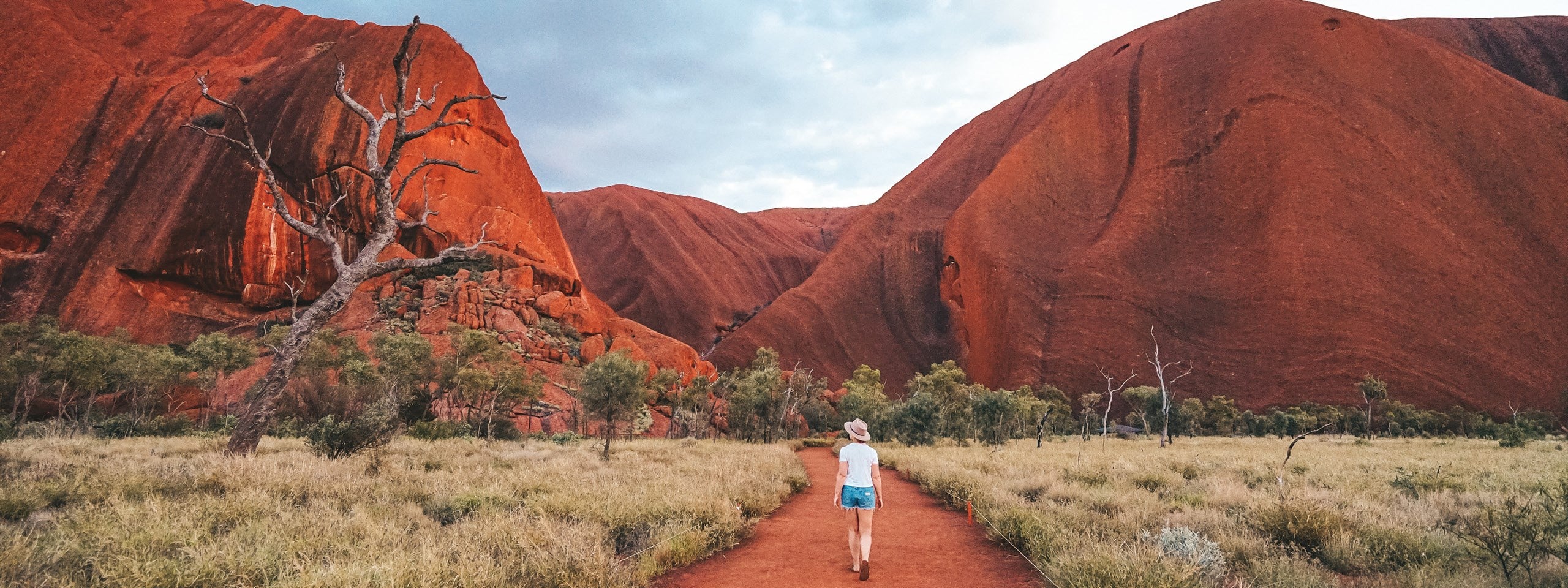
The Northern Territory is a land of giants—giant rock formations, giant landscapes, and giant adventures. Planning a trip here isn’t just about plotting points on a map; it’s about piecing together an itinerary filled with some of Australia’s most legendary landmarks.
From the spiritual heart of the Red Centre to the wild, watery world of the Top End, each destination offers a completely different kind of magic. This is your chance to feel the ancient energy of Uluru, the breathtaking scale of Kings Canyon, and the raw, untamed beauty of Kakadu. Each of these places is a cornerstone of the Australian story, holding deep cultural significance and incredible natural wonders.
Let’s journey through the must-see destinations that form the backbone of any unforgettable NT adventure. We’ll start in the iconic Red Centre before heading north to the tropical Top End, highlighting what makes each place so special.
Uluru and Kata Tjuta: The Spiritual Heart
You simply can’t visit the Northern Territory without experiencing Uluru-Kata Tjuta National Park. This is the spiritual epicentre of Australia, a place of immense cultural power and mesmerising beauty. There’s a reason it’s dual World Heritage-listed for both its natural and cultural values—it’s that significant.
Uluru is so much more than a big rock; it’s a living cultural landscape for the Aṉangu people. Watching it at sunrise and sunset is a genuine rite of passage. As the light changes, the monolith shifts through an incredible palette of colours, from soft lilac and deep purple to fiery orange and ochre red. It’s a spectacle that stays with you long after you leave.
Just down the road is Kata Tjuta, also known as The Olgas. This collection of 36 massive, ancient domes is just as sacred and, for many, even more stunning than its famous neighbour. The Valley of the Winds walk is a fantastic way to get right in amongst its gorges and valleys, offering a profound sense of peace and connection to the ancient land. You can dive deeper with our guide on visiting Uluru and the Red Centre.
Kings Canyon: The Grand Canyon of the Outback
A few hours from Uluru, Watarrka National Park is home to another Red Centre titan: Kings Canyon. If Uluru inspires quiet reflection, Kings Canyon is all about heart-pumping action. Its crown jewel is the 6-kilometre Rim Walk, a trek that rewards you with some of the most dramatic views in the entire Outback.
The walk kicks off with a steep climb locals call “Heartbreak Hill,” but every single step is worth it. Once you’re on top, you’re walking along the edge of sandstone cliffs that plummet 100 metres to the canyon floor. The landscape is a stunning panorama of weathered rock domes, deep chasms, and lookouts that will take your breath away.
Halfway through the Rim Walk, you’ll discover a hidden treasure: the Garden of Eden. It’s a lush, permanent waterhole surrounded by ancient cycads, providing a cool, shady refuge and a beautiful contrast to the rugged red rock all around it.
Kakadu National Park: A Living Masterpiece
Now let’s head north to the Top End, where we enter a completely different world: Kakadu National Park. This huge, biodiverse reserve is the size of a small country and stands as one of the planet’s greatest natural and cultural treasures. Its landscapes are incredibly varied, spanning everything from wetlands and stone country to savanna woodlands and tidal flats.
Kakadu is world-famous for its Aboriginal rock art galleries, some of which are an astonishing 20,000 years old. Sites like Ubirr and Nourlangie are an incredible window into one of the oldest living cultures on Earth. The art tells Creation stories, depicts animals, and records historical events, acting as a powerful link to the past.
Beyond the art, Kakadu is a true wildlife haven. It’s home to more than one-third of Australia’s bird species and thousands of saltwater crocodiles. A cruise on the Yellow Water Billabong is an absolute must, giving you a front-row seat to see these prehistoric predators in their element.
Litchfield and Nitmiluk: Accessible Natural Wonders
While Kakadu is vast and wild, Litchfield National Park offers a more compact and easily accessible taste of the Top End’s beauty. It’s famous for its stunning, spring-fed waterfalls and crystal-clear swimming holes like Wangi Falls, Florence Falls, and Buley Rockhole—perfect spots for a refreshing dip to escape the tropical heat.
Litchfield is also where you’ll find the fascinating Magnetic Termite Mounds, enormous structures built by tiny architects, all perfectly aligned on a north-south axis.
A bit further south lies Nitmiluk National Park, home to the spectacular Nitmiluk (Katherine) Gorge. Carved by the Katherine River, this system of 13 breathtaking gorges is absolutely magnificent. The best way to experience it is from the water on a guided cruise, where you can gaze up at the towering sandstone cliffs from below.
Choosing Your Perfect Northern Territory Tour Style
How you explore the Northern Territory completely shapes your adventure. It’s the difference between a scenic train journey and an epic cross-country road trip—both get you there, but the experience is worlds apart. Picking the right travel style comes down to matching the journey with your personal sense of adventure, your comfort levels, and what you truly want to get out of your time in the Outback.
Some of us dream of waking up to the sounds of the bush, while others look forward to a comfortable bed and a hot shower after a long day of exploring. There’s no single “best” way to see the NT. The right choice is the one that lets you connect with this incredible landscape in a way that feels right for you.
Let’s break down the different types of tours we offer to help you find that perfect fit. We’ll look at the raw, immersive experience of our camping safaris versus the creature comforts of our accommodated trips, so you can decide which path into the Outback is calling your name.
Accommodated Tours: Your Home in the Outback
For those who love the idea of Outback exploration but aren’t quite ready to give up their creature comforts, our accommodated tours are the perfect solution. Think of it as having the best of both worlds: full days of adventure followed by evenings of relaxation in comfortable, pre-arranged lodging. You get to soak up the raw beauty of the NT without sacrificing a good night’s sleep.
This style is ideal for anyone wanting a completely hassle-free journey. We handle all the logistics, from booking quality hotels and safari-style lodges to organising delicious meals. Your only job is to soak in the incredible scenery, listen to the stories from your expert guide, and enjoy the ride.
Choosing an accommodated tour means you can focus entirely on the experience. You spend your energy hiking through Walpa Gorge or cruising Yellow Water Billabong, not worrying about setting up camp or figuring out what’s for dinner.
This approach is a fantastic fit for:
- Travellers seeking comfort: After a long day of hiking and sightseeing, relaxing in a comfortable room with modern amenities is a welcome reward.
- Families and older travellers: The ease and structure of an accommodated tour make it an accessible option for all ages.
- Those on a tight schedule: With everything organised for you, you can maximise every single moment of your trip.
Camping Tours: Sleeping Under a Billion Stars
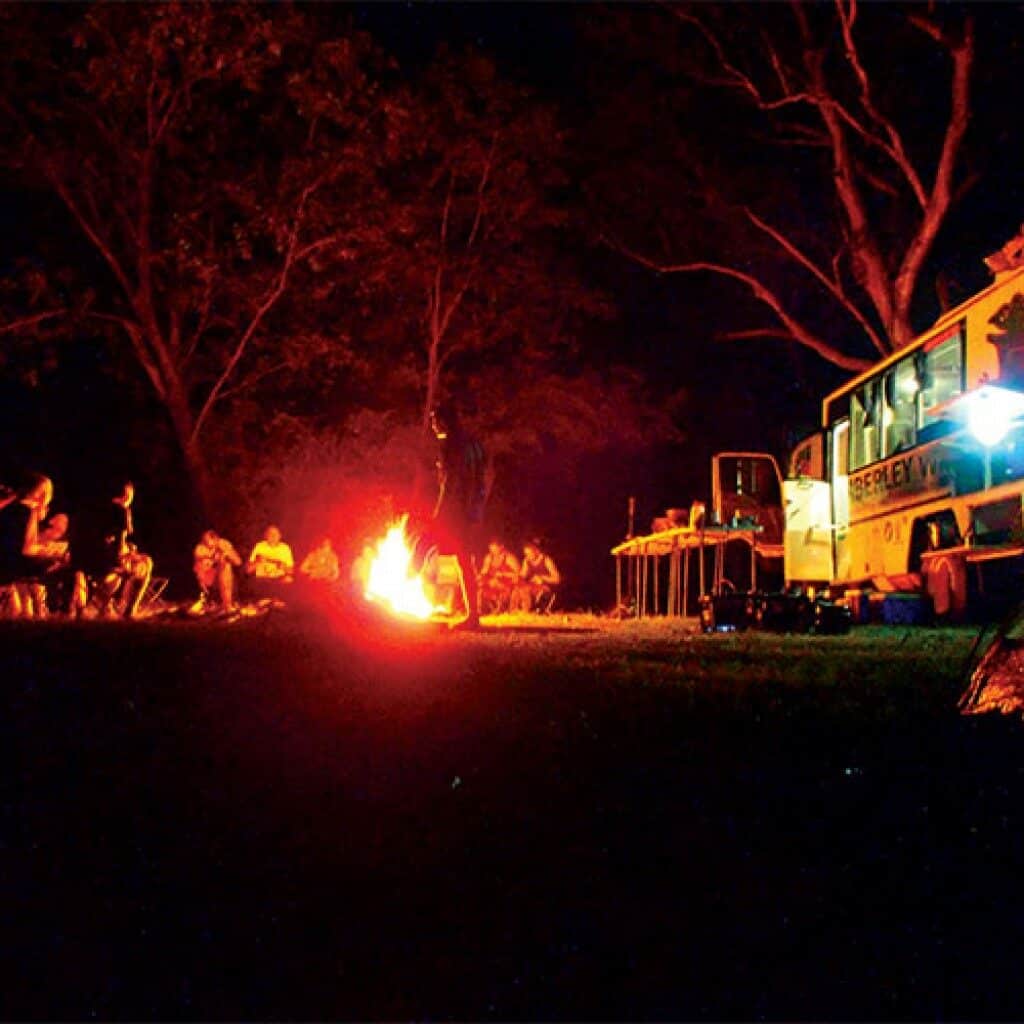
If your idea of a perfect evening involves a crackling campfire, a sky packed with a billion stars, and the quiet sounds of the bush, then a camping tour has your name on it. This is the classic, immersive way to experience the Outback, connecting you directly with the rhythms of the natural world. Honestly, there’s nothing quite like waking up in a swag to watch the first light of dawn hit the ancient landscape.
Our camping tours are designed to be an authentic adventure, but without all the hard work. We provide all the gear, from comfortable swags (the quintessential Aussie bedroll) to camp chairs. Our guides are also fantastic camp-oven cooks, whipping up hearty, delicious meals over an open fire.
This style of tour is more than just a place to sleep; it’s an experience in itself. Evenings are spent sharing stories around the fire, learning about the constellations, and truly disconnecting from the everyday hustle. It’s a chance to form a real bond with your fellow travellers and the incredible environment around you.
Explore our full range of Northern Territory package tours to see which camping adventure calls to you.
A Few Tips for a Safe and Unforgettable Trip
A bit of planning goes a long way, especially when you’re heading into the vast, wild heart of the Northern Territory. Getting the small details right before you go can be the difference between a good trip and an incredible one. These tips, straight from years of experience, will help make sure your NT tour is safe, comfortable, and everything you hoped for.
Preparation isn’t just about throwing things in a bag; it’s about understanding the unique environment you’re about to step into. From the sheer intensity of the Outback sun to ancient cultural protocols, a little knowledge makes all the difference. Think of this as your practical checklist for travelling smart and soaking up every single moment.
Staying Safe in the Outback
The NT’s raw beauty comes with a few ground rules to keep you safe. The climate, the landscape, and the wildlife are unlike anywhere else on Earth, so respecting nature isn’t just a suggestion—it’s essential.
First off, the sun here is no joke. It’s incredibly powerful. Always wear a wide-brimmed hat, high-SPF sunscreen, and light, protective clothing. Dehydration can sneak up on you fast, so carry plenty of water and drink it all day long, even when you don’t feel thirsty. Our guides will constantly remind you, but it’s a brilliant habit to get into yourself.
Up in the Top End, croc safety is non-negotiable. Saltwater crocodiles are a very real danger in all waterways—that means rivers, billabongs, and even some coastal areas. Never swim unless you are in a designated safe swimming area that has been clearly signed off by park rangers. On our tours, we only ever visit spots that are proven to be 100% safe for a dip.
What to Pack for Your NT Adventure
Packing smart makes for a much more comfortable trip. The trick is to be ready for a range of conditions, from scorching sunny days to surprisingly chilly desert nights.
Here’s what should absolutely be on your packing list:
- Sturdy Walking Shoes: Good, broken-in footwear is your best mate for exploring rugged spots like Kings Canyon and Kata Tjuta.
- Layered Clothing: Think lightweight, long-sleeved shirts for sun protection, plus warmer layers like a fleece or jacket for the cool evenings—especially in the Red Centre.
- Sun Protection: A wide-brimmed hat, proper sunglasses, and SPF 30+ sunscreen are absolute must-haves.
- Insect Repellent: This is particularly important for the Top End. A good repellent will be a lifesaver against mosquitoes and other pesky bugs.
- Reusable Water Bottle: Staying hydrated is critical. A reusable bottle is the best way to keep water on hand while being kind to the environment.
Respecting Culture and Country
A trip to the Northern Territory is a rare chance to connect with the world’s oldest living culture. Travelling with respect isn’t just important; it’s fundamental to the entire experience.
Many of the places you’ll visit, such as Uluru and Kakadu, are deeply sacred to Indigenous Australians. Always pay attention to signs and listen to your guide’s advice about where you can and cannot go. Some sites might have restrictions on photography to protect cultural stories and sacred knowledge, and it’s vital to respect these requests.
By listening, observing, and following local guidance, you’re not just showing respect. You’re opening yourself up to a much deeper, more meaningful understanding of the incredible landscape and its people.
Embracing these practices makes your journey a positive one for both you and the communities you visit. As more people discover Australia’s treasures, responsible travel becomes even more vital. In fact, recent figures show short-term visitor arrivals have jumped by 14.3% in a single year, which shows just how many people are keen to explore places like the NT. You can dive deeper into these national tourism trends if you’re curious.
Get Ready for a Digital Detox
Finally, a heads-up: be prepared for limited mobile phone and internet reception. Once you leave major towns like Darwin and Alice Springs, connectivity can get very patchy, if it exists at all.
Instead of seeing this as a problem, try to embrace it. This is your chance for a real digital detox, a rare opportunity to disconnect from the noise and truly immerse yourself in the here and now. Let your friends and family know you’ll be off the grid, then put your phone away and just enjoy the journey.
Your Northern Territory Tour Questions Answered
Alright, let’s tackle some of the big questions we always get asked. Think of this as the final check-in before you commit to your adventure—just some honest advice from people who’ve been there and done that, so you can book your trip with total confidence.
How Many Days Do I Need for a Northern Territory Tour?
The biggest mistake people make is trying to rush the NT. It’s a massive place, and the magic is in slowing down and soaking it all in. The perfect trip length really boils down to which part of the Territory you’re keen to explore.
For the Red Centre, give yourself at least three to five days. That’s enough time to feel the incredible presence of Uluru and Kata Tjuta and conquer the stunning Kings Canyon Rim Walk without feeling like you’re just ticking boxes.
If you’re heading to the tropical Top End, you’ll want a bit longer—plan for around five to seven days. This gives you a good window to explore Darwin, get lost in the ancient landscapes of Kakadu, and cool off in Litchfield’s famous swimming holes.
Want to do it all? For the grand tour of both the Red Centre and the Top End, you’ll need between 10 and 14 days. Don’t forget, there’s a huge distance between the two, so this timeframe ensures you’re not spending your whole holiday in a vehicle.
Our longer itineraries, like the epic 10-day Darwin to Uluru Tour, are designed specifically to bridge that gap. We handle all the logistics so you can just sit back and enjoy the journey from the tropics to the desert.
Is It Safe to Swim in the Northern Territory?
Now this is a big one, and the answer is a tale of two very different places. What’s safe in the Red Centre is a definite no-go in the Top End, so you need to know the difference.
Up in the Top End, you have to be croc-wise. Saltwater crocodiles are a serious reality in most waterways. The golden rule is simple: only swim where it’s officially signposted as a designated safe swimming area. Places like the plunge pools in Litchfield National Park are managed by rangers and are generally safe. Always, always obey the warning signs—they are not there for decoration.
Down in the Red Centre, it’s a completely different story. The waterholes here are croc-free and absolutely magnificent. Cooling off in places like Ellery Creek Big Hole or Ormiston Gorge after a long hike is one of the best feelings in the world.
The surest way to stay safe? Go with a local guide. Our guides know these areas like the back of their hand and will take you straight to the best and safest spots for a dip.
What Is the Best Way to See Uluru?
Seeing Uluru isn’t just a photo op; it’s an experience. To really get a feel for its scale and deep spiritual significance, you need to see it from a few different angles and at different times of the day.
The absolute must-dos are sunrise and sunset. Watching the light paint the rock in a hundred shades of red, orange, and purple is something you’ll never forget. All our tours are timed perfectly so you won’t miss this spectacle.
We also can’t recommend the 10-kilometre base walk enough. Walking around it gives you a true sense of its immense size and lets you get up close to the details that are so important in Aṉangu culture.
But honestly, the most profound way to connect with Uluru is to hear its stories (Tjukurpa) from a guide who understands them. They can share the creation stories and cultural importance of the site, turning a beautiful rock into a living, breathing storybook.
Do I Need a 4WD for My Northern Territory Tour?
You don’t always need a 4WD, but having one opens up a whole new world of adventure. It’s the key to getting off the sealed roads and into the really wild, unforgettable parts of the Territory.
You can easily get to major spots like Uluru, Kata Tjuta, and the main tourist loop in Kakadu with a standard 2WD vehicle. So, you can definitely see some of the highlights without one.
However, if you want to get to legendary places like Jim Jim Falls and Twin Falls in Kakadu or drive the iconic Mereenie Loop from Kings Canyon to the West MacDonnell Ranges, a 4WD is non-negotiable. These are the kinds of raw, off-the-beaten-path experiences that make an NT trip truly legendary.
If you love the idea of an authentic Outback adventure but aren’t keen on tackling tricky tracks or risking getting bogged, a specialised 4WD tour is the way to go. Our expert driver-guides know exactly what they’re doing, so you can just relax and take in the view.
Your unforgettable Outback adventure is just a click away. At Kimberley Tours, we’ve crafted the perfect itineraries to show you the very best of this incredible region. Explore our full range of adventures and find your perfect journey today at https://kimberleystours.com.au.